B2B companies rely heavily on clear communication, trust, and consistent messaging. Whether it’s product walkthroughs, onboarding videos, sales pitches, or customer updates, these videos help move deals forward and keep clients engaged. But producing this kind of content usually requires hiring creators, booking shoots, writing scripts, and editing footage. For many teams, this slows everything down. AI-powered UGC is changing that by helping B2B brands create human-style videos quickly, without bringing in external talent.
The biggest advantage of AI UGC in the B2B space is speed. In fast-moving industries, companies often need to share updates at short notice—new features, process changes, announcements, or quick explanations for clients. Using an ai ugc video generator by invideo, teams can turn a simple script into a polished human-style video in minutes. There’s no waiting for freelancers, no filming logistics, and no long edits. This keeps communication smooth and timely across all customer touchpoints.
AI-generated UGC also brings a personal feel to content that normally comes across dry or technical. B2B brands often deal with complex ideas, and explaining them through text or static graphics doesn’t always work. AI tools allow teams to create videos that feel conversational and approachable, helping clients understand the message faster. This is especially helpful for SaaS platforms, cybersecurity firms, and enterprise tools that need to guide users through detailed processes.
Another strong use case is sales enablement. Sales teams need ongoing support material—short videos that explain features, answer objections, or show value in a relatable way. Instead of waiting for the marketing team to produce these assets, AI UGC lets them generate their own video variations based on audience type or deal stage. They can tailor tone, message, and format depending on whether they’re speaking to decision-makers, technical teams, or end users.
Training and onboarding is another area where AI UGC shines. B2B companies hire frequently and often work across multiple departments. Training new employees typically involves long manuals or pre-recorded videos that go outdated quickly. With AI UGC, teams can update training material whenever needed, making the process more engaging and easier to follow. This keeps employees aligned with the latest workflows and product updates without requiring a new recording session each time.
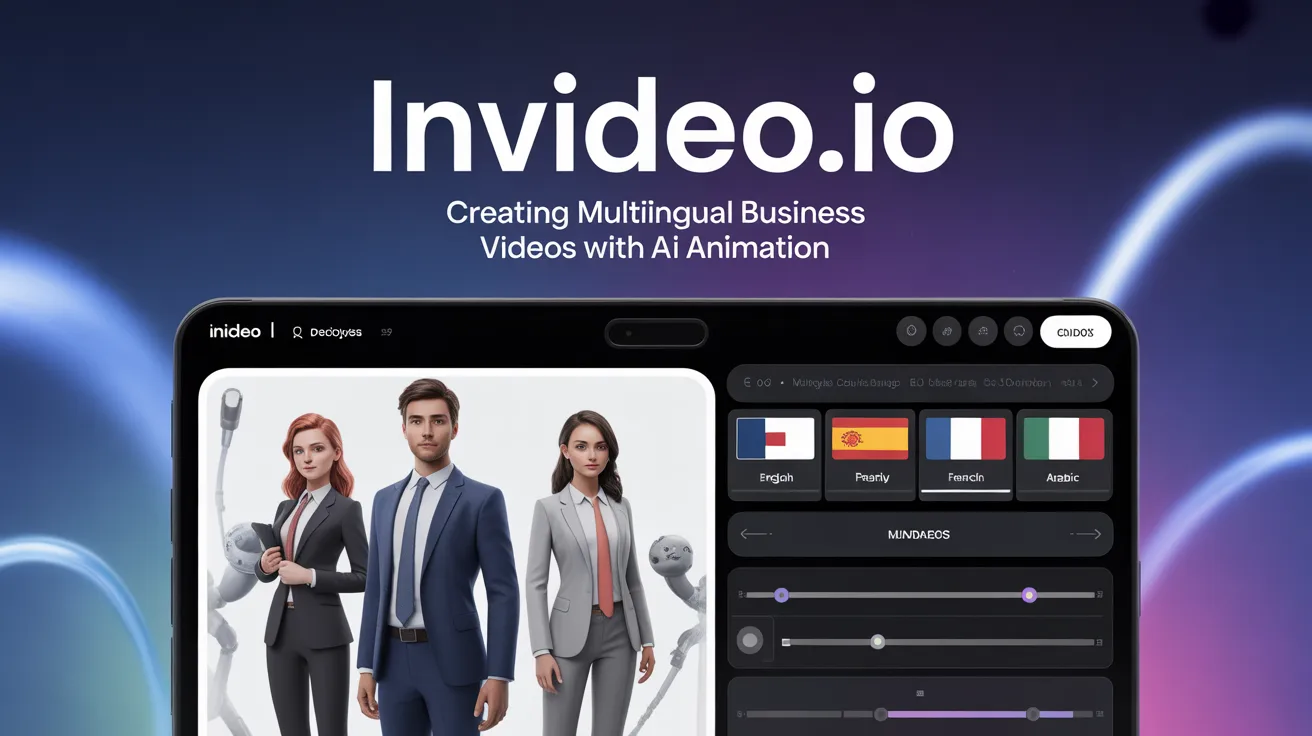
Global communication also becomes easier with AI UGC. B2B companies often serve clients and teams across different regions, and localized video content helps build trust. Instead of recreating videos for each market, AI tools allow teams to generate the same content in multiple languages and tones instantly. This ensures every client receives clear, native-style communication that feels personal and well-crafted.
Customer support teams benefit as well. They deal with repetitive questions that could be answered faster with short, helpful videos. Instead of writing long responses, support agents can create simple walkthrough clips using AI UGC. These videos act as quick visual guides, helping customers solve problems without waiting for extended support. It improves customer satisfaction and reduces overall ticket load.
B2B brands can also enhance their marketing with AI-driven UGC. While B2C brands use UGC for relatable and entertainment-led content, B2B companies can use the same style for case studies, feature highlights, FAQs, and customer education. Human-style delivery helps complex ideas feel more digestible, helping prospects stay engaged longer. It also makes video creation scalable for companies running multiple campaigns across platforms like LinkedIn, YouTube, and industry portals.
AI UGC further helps maintain message consistency across large teams. When multiple departments create videos manually, the tone and style can vary widely. This makes the brand look scattered. AI tools keep everything aligned with one look, one voice, and one messaging style—even when different people generate content. This is a huge advantage for B2B brands that want to appear polished and trustworthy.
Cost-efficiency is another major factor. Traditional video production for B2B tends to be expensive, especially when involving professional presenters or actors. AI removes that layer entirely. Teams can create as many videos as they need, try different angles, adjust scripts, and experiment with formats without worrying about additional cost. This frees up budget for growth initiatives while still giving the brand a strong video presence.
In the long run, AI UGC opens the door for a new kind of content system within B2B companies. Instead of occasional video production, teams can maintain a steady output of human-like videos across all business functions. This strengthens internal communication, sharpens marketing, supports sales, and improves overall customer experience—all without hiring talent or setting up studios.